
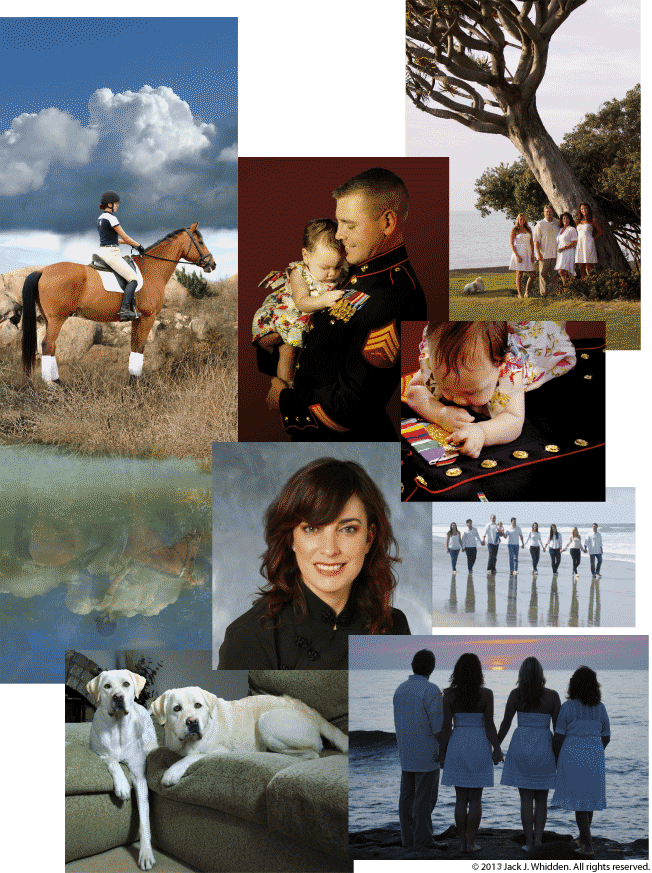

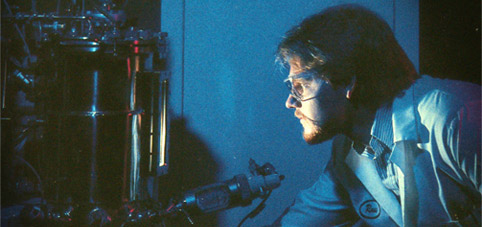
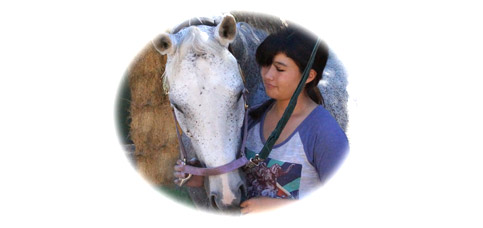
Photo imagery comes in many styles. Here are a few major styles that may interest you:
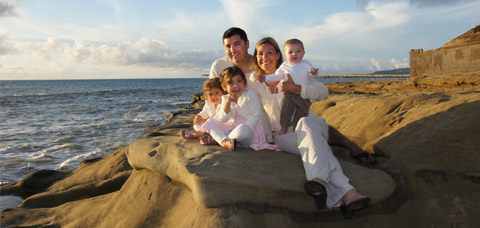
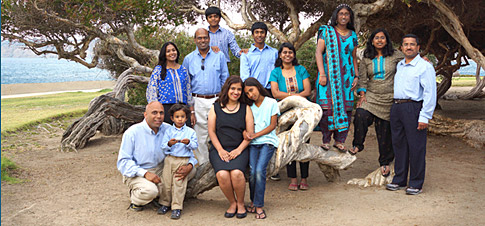
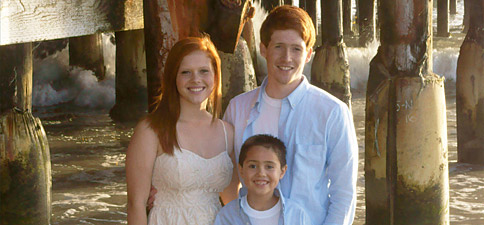
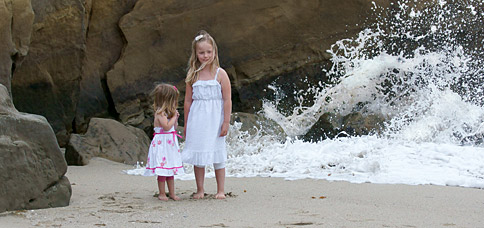
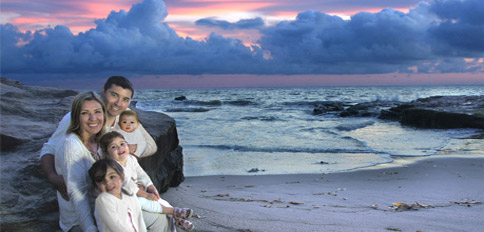
Natural Style
The image style most people seek from us is one where the person appears relaxed and smiling naturally. The image is taken in a natural beach or park setting with some clean-up, image enrichment and a drive to create artistry in visual structure and quality of the image.
Fashion Style
Another popular style is derived from what we see in fashion magazines. Here the subject can be seen smiling brightly and dressed in stylish, up-to-date attire leaning against a rustic wooden wall with flaking paint or standing in a graffiti covered warehouse garage doorway.
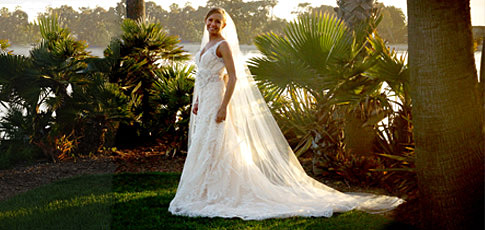
Wedding Style
Every wedding style that comes from the blend of contrasting feelings. For brides and grooms, the wedding stirs anticipations about the responsibilities of raising and supporting children offset by the rewards of building and enjoying family life. This blend of laughter and tears is given order by ritual: the ceremony, photos of the wedding party, the toast, the cutting of the cake, the tossing of the garter and the bouquet and so forth. The photographer must portray all the beauty, tears of joy and every smile with a style that's sensitive and deeply personal.
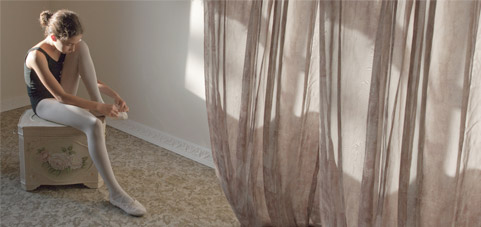
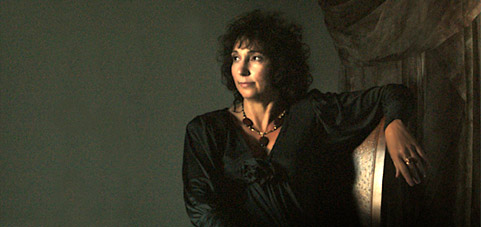
Expressive Style
Here the subject may appear to have an attitude expressed via an angry stare, a pose of confidence or a pensive look. Typically the photographic image features distorted aesthetic elements: faded color tints, shadowy corners, odd patterns of lighting, dramatically angled walls, and so fort.
Our Business Style
There is an armada of San Diego photographers interested in taking your photos. So, how are we different? Well, our clients have thanked us for being "so affordable" and have even tipped us because our great images and our very reasonable pricing.
We primarily do these forms of photography: portrait, head shots, event, commercial photography, family photography, Beach Photography, senior photography, Teen Photography, baby, pets and fine art photography.
Give us a call at 858-268-4278. If we're not available at that time, email us at info@artisticaphotography.com. We typically respond within two hours.